
Candidates have more options and higher expectations than ever.
Long applications, poor communication and rigid interviews drive them away, while personalized outreach, inclusive practices and smart use of technology in every stage of the recruitment process keep them engaged.
We’re here to break down the recruitment stages, so you use this as a roadmap to build a candidate‑centric hiring journey that drives both efficiency and quality.
The Candidate-Centric Recruitment Roadmap
| Stage | What Happens Here | Why It Matters |
|---|---|---|
| 1. Plan the Role | Define why the role exists Set success outcomes Separate must-have vs nice-to-have skills | Strong workforce planning reduces rework and misalignment later |
| 2. Write Inclusive Job Descriptions | Clear role purpose & responsibilities Salary range & growth path Bias-free, inclusive language | Inclusive JDs can increase qualified applicants by 23% |
| 3. Source Talent Smartly | Job boards for reach Career pages for quality Referrals for faster hires | 60% of candidates abandon long applications → keep forms short & mobile- friendly |
| 4. Screen & Shortlist Fairly | Clear eligibility criteria Resume parsing & AI shortlisting Human oversight to reduce bias | Only ~3% reach interviews; 53% report being ghosted → automated updates matter |
| 5. Interview & Assess Meaningfully | Structured interviews Role-relevant assessments Asynchronous & AI-assisted screening | 42% drop off due to slow scheduling → automation removes friction |
| 6. Decide & Verify | Skills + culture + potential fit Panel evaluations Reference checks | A bad hire can cost ~30% of first-year salary |
| 7. Offer & Negotiate Transparently | Clear timelines Open salary discussions Fast follow-ups | 37% of candidates negotiate; delays often mean lost talent |
| 8. Onboard for Retention | Structured onboarding Mentorship & connection Early engagement | Strong onboarding improves retention by 82% and productivity by 70% |
1. Plan Your Hiring Needs and Understand the Role
Every great hire starts with a clear understanding of what (and who) you need. Take time to clarify why a role exists, its day‑to‑day responsibilities and the skills that will fill gaps in your team’s capability. Careful workforce planning prevents wasted effort later.
2. Create Inclusive and Transparent Job Descriptions
A well‑written job description is one of the most powerful ways to attract qualified applicants. It should highlight the role’s purpose, key responsibilities, salary range, required skills and growth opportunities. Inclusive language widens your candidate pool.
For example, Siemens redesigned its ads and saw 23% more qualified applicants and cut time‑to‑hire by 11 days, as removing gendered phrases and excessive requirements broadened their appeal.
“If you are transparent with your people, there are no politics. This is how you build a very strong organization that can scale and grow and become a leader.”
– Ronni Zehavi, CEO of HiBob
Honest job descriptions set trust from the start.
Zappyhire’s in-built Smart JD Creation tool helps you create standardized job descriptions with clear role expectations. Get a quick walkthrough.
3. Source Candidates Effectively
Once your role is defined, it’s time to find talent. High‑performing recruiting teams mix internal and external sourcing.
Most applicants still come from job boards but hires more often come from career sites and employee referrals. Maintain a strong employer‑brand page and encourage referrals.
“The employee referral program should be the foundation of your recruiting strategy. All other sources are an appendage to it.”
– Kevin Nelson, VP EmployeeReferrals.com
According to a report, 60% of frontline workers have started but not finished an application, with half saying forms are too long. In hospitality, 68% abandon applications. Simplify forms and make them mobile‑friendly to keep candidates engaged.
In another survey, 71% of candidates said they expect the application to take less than 30 minutes, and 35% will abandon a lengthy process. Removing unnecessary fields and allowing résumé uploads reduces friction.
4. Screen and Shortlist Fairly
Screening ensures you focus on candidates who meet the role’s must‑have requirements while providing a respectful experience for all.
A report says only 3% of applicants advance to interviews. This shows the importance of clear criteria at the front end. Using technology like resume‑parsing and AI‑driven shortlisting helps process large volumes quickly.
Generative AI is also gaining traction as candidates are reporting that they’re using it in their job search process, 37% of organizations are integrating or experimenting with it, and recruiters using AI gain about a 20% time savings each week. Still, human oversight is critical to avoid reinforcing bias.
“Job seekers may feel comfortable using artificial intelligence tools in their job search, but that does not equate to trusting AI to make fair hiring decisions… It’s critical that hiring managers work to increase transparency and accountability in their hiring processes and use tools that meet current and emerging anti-bias standards.”
– Richard Wahlquist, CEO of American Staffing Association
Also, candidates are naturally sensitive to ghosting – 53% reported being ghosted by employers. So automated emails and text recruiting can keep applicants informed and prevent them from disengaging.
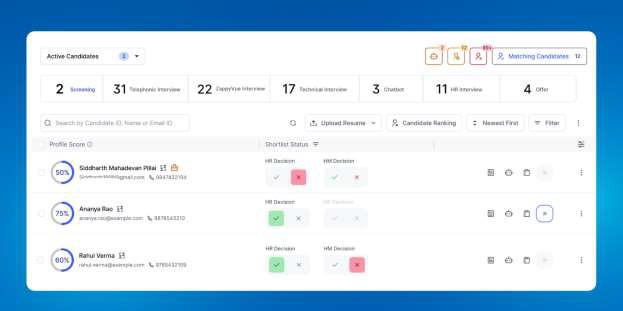
Zappyhire uses AI-driven screening, resume parsing, and automated communication to shortlist at scale without candidate ghosting. See how.
5. Conduct Meaningful Interviews and Assessments
Interviews are where you learn who the candidate really is and where candidates decide whether they want to work with you. Structured interviews and fair assessments sped up by AI- powered tools improve accuracy and candidate perception.
“Good hiring decisions come from better data points, not more interviews. AI doesn’t remove the human element – it enables better conversations by giving interviewers deeper context before the interview even begins.”
– Jyothis KS, Co-founder of Zappyhire
As seen previously, one‑third of frontline hiring managers report the interview stage is their biggest leak. So, delayed scheduling is a major culprit as another study found 42 % of candidates leave when interview scheduling drags.
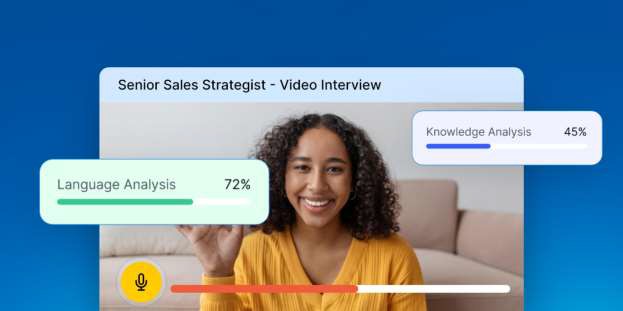
Automated interview scheduling removes this friction entirely by instantly matching interviewer availability, sending confirmations and reminders, and keeping candidates moving without manual follow-ups.
6. Make Informed Decisions and Check References
After interviews, hiring teams should evaluate candidates holistically – skills, culture fit and potential – before extending offers.
A bad hire can cost at least 30% of the employee’s first‑year earnings, according to the U.S. Department of Labor. Structured evaluation criteria, panel interviews and reference checks help mitigate this risk.
“Never, ever compromise on quality. It’s toxic. When employees observe underperformers around them, they tend to think they don’t need to exert much effort. Your top talent will leave.”
– Laszlo Bock, Former SVP People Operations at Google
Also, reference checks – don’t skip them; they confirm a candidate’s experience and reliability. Many modern applicant tracking systems automate reference requests or integrate with BGV vendors, saving time while maintaining compliance.
7. Extend Offers and Negotiate Transparently
Once you’ve identified your top candidate, move quickly. Speed and clarity prevent candidates from accepting other offers or losing interest.
A survey found that 80% of respondents said their salary offer met or exceeded expectations. However, 37% report negotiating their offer, so be prepared for discussions.
Clear timelines and quick feedback reduce candidate anxiety and increase the likelihood of acceptance.
Zappyhire extends offers into integrated background verification and pre- onboarding, so nothing breaks after the yes.
8. Onboard and Integrate Your New Hire
Onboarding is your chance to set up new hires for long‑term success.
Organizations with strong onboarding processes improve new‑hire retention by 82% and productivity by over 70%. Investing time here pays off for years.
More than a third of new hires say they dread navigating office politics more than learning protocols. Include them in group sessions and facilitate organic connections as 49% prefer making friends naturally over assigned buddies.
So, incorporate interactive elements like mentorship, welcome lunches and accessible managers to help new hires feel valued.
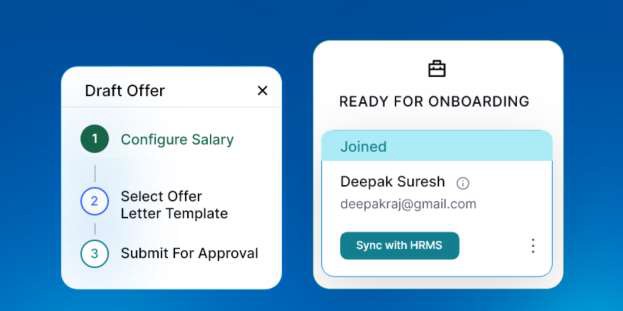
Zappyhire ensures a smooth transition from offer to pre-onboarding by keeping candidate data, documents, and workflows connected. Get a live demo.
FAQ
What are the 5 stages of the recruitment process?
The 5 common recruitment stages are: planning the role, sourcing candidates, screening and shortlisting, interviewing and assessing, and making the offer.
Many modern hiring teams expand this into 7–8 stages to include onboarding and post-hire integration.
How many recruitment stages should a company ideally have?
There’s no fixed number, but 7–8 recruitment stages work best for most organizations. This allows enough structure for quality hiring without slowing down decision-making or harming candidate experience.
How do different recruitment stages impact candidate experience?
Each stage directly affects how candidates perceive your employer brand. Delays, lack of communication, or repetitive steps can increase drop-offs, while transparent and well-designed stages keep candidates engaged.
What is the most critical stage in the recruitment process?
Screening and shortlisting are often the most critical stages. Poor screening can eliminate strong candidates or overload interviewers, while effective screening improves speed, fairness, and hiring accuracy.
How can technology improve different recruitment stages?
Recruitment technology can automate sourcing, screening, interview scheduling, assessments, and communication, reducing manual effort and enabling recruiters to focus on decision-making rather than coordination.
How do recruitment stages differ for high-volume hiring?
In high-volume hiring, stages are more automated and standardized. Screening, assessments, and shortlisting often happen asynchronously, helping teams manage scale without increasing recruiter workload.
What is the difference between recruitment stages and hiring stages?
Recruitment stages cover the entire journey from planning to onboarding, while hiring stages usually focus on the selection phase – from screening to offer rollout.
Should recruitment stages be the same for all roles?
No. While the overall framework can stay consistent, stages should be adapted based on role complexity, seniority, and hiring volume to avoid unnecessary steps.